
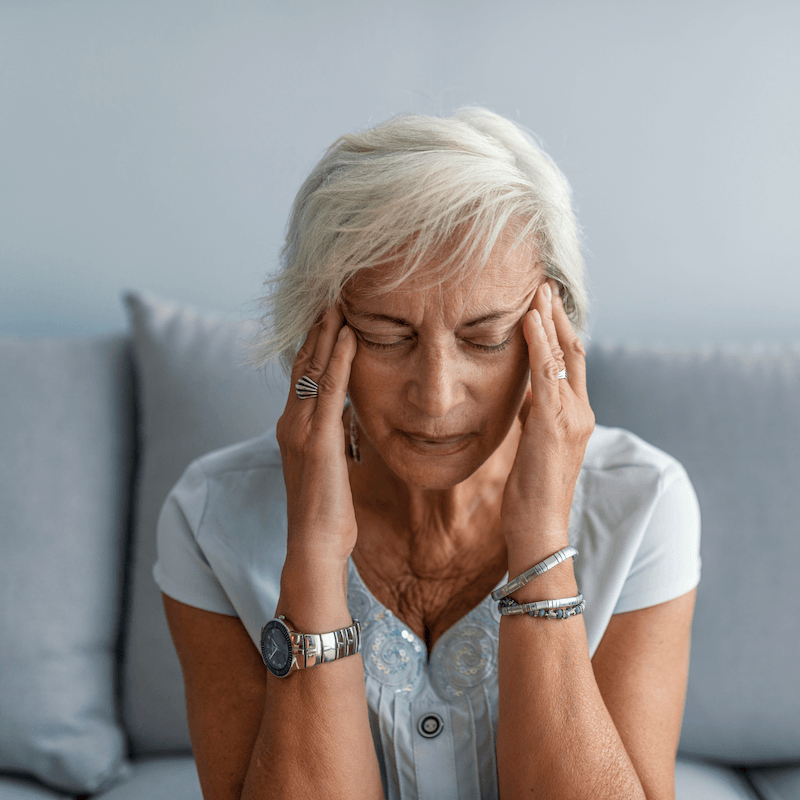
A migraine does not exclusively manifest as acute head pain; rather, a vestibular migraine predominantly impairs equilibrium, motion processing, and spatial orientation. Our otolaryngology practice evaluates ongoing dizziness episodes to differentiate vestibular migraine from other balance disorders. To achieve successful migraine treatment, patients must understand their symptom patterns and report them accurately to their medical provider.
Differentiating Vestibular Migraine From Classic Migraine Attacks
Both vestibular migraine and classic migraine belong to the same neurological spectrum, yet their hallmark symptoms manifest differently. A typical migraine attack often centers on moderate to severe head pain that may be one-sided, pulsating, and aggravated by normal activity. Symptoms such as nausea, emesis, light and sound sensitivity, and visual aura phenomena frequently coincide with the head pain.
Vestibular migraine primarily causes vertigo, dizziness, imbalance, or sensitivity to motion. Patients may experience coexisting head pain, but headache is not an obligatory component of every vestibular episode. Attacks may involve a false sense that the person or room is moving, dizziness triggered by head motion, or discomfort in visually busy environments.
Qualifying vestibular events standardly run a time course extending from five minutes to 72 hours. Because attack characteristics can change over time, recognizing a migraine etiology is often harder than diagnosing recurring headaches.
Underlying Causes and Triggers of Vestibular Migraines
There is no single medical pathology identified as the isolated cause of vestibular migraine. The disorder likely develops from overlapping neurochemical pathways handling both trigeminal pain and inner ear balance signals. A personal or family history of migraine and longstanding motion sensitivity may increase susceptibility.
Clinical episodes are frequently provoked by:
- Inadequate sleep duration or irregular circadian rhythms
- Irregular nutritional intake, skipped meals, and dehydration
- High emotional stress levels or post-stress relaxation periods (“weekend migraine”)
- Menstrual or other hormonal changes
- Intense fluorescent lighting, flickering screens, or visually chaotic patterns
- Rapid vehicle motion, vestibular acceleration during transit, or digital screen scrolling
- Alcohol or individually identified food triggers
- Barometric weather fluctuations, seasonal shifts, or compounded sensory overstimulation
Recognizing the Signs: Vestibular vs. Typical Migraine Attacks
Classical migraine attacks are readily identified by head pain, but neurological symptoms often extend well beyond local cephalalgia. Patients routinely report nausea, emesis, scintillating visual aura, profound fatigue, cognitive slowing, cervical stiffness, and sensory sensitivities.
Documented manifestations of vestibular migraine include:
- True rotational vertigo or generalized non-rotational movement illusions
- Postural disequilibrium, ataxia, or generalized loss of balance
- Movement-induced dizziness provoked by changing head positions
- Motion-induced nausea, motion intolerance, and gastrointestinal upset
- Visual-vestibular mismatch when navigating crowded shopping aisles, moving traffic, or patterned visual fields
- A sensation of rocking, tilting, floating, or being pulled
- Sensory hypersensitivity involving photophobia, auditory intolerance, and visual overstimulation
- Sensations of internal head fullness, tight cranial pressure, or full-blown migraine cephalalgia
- Temporary sensations of ear canal pressure, fullness, or high-pitched tinnitus
Clinical chronicity, attack longevity, and identifiable triggers assist in separating vestibular migraine from alternative vestibular diseases. Sudden dizziness that coincides with motor weakness, limb numbness, difficulty articulating speech, double vision, syncope, or inability to stand requires immediate emergency assessment.
Experiencing Vestibular Symptoms and Migraine Headaches Simultaneously
Yes. Vertigo and classical migraine headaches frequently coincide during the same physiological episode. Dizziness might manifest as a premonitory symptom before head pain, peak while the headache is active, endure following pain resolution, or strike alone. Certain patients experience cyclical shifts, alternating between headache-predominant and vertigo-predominant episodes over extended periods.
It is not necessary for a vestibular episode to involve headache pain to be directly tied to migraine disease. Keeping a symptom diary can reveal connections that are difficult to remember later. Note the frequency and length of dizziness, headache qualities, sensory changes, menstrual timing, sleep habits, meals, potential triggers, and therapeutic interventions. These objective records provide invaluable diagnostic clarity during your comprehensive evaluation.
Establishing a Vestibular Migraine Diagnosis: Testing and Criteria
Clinicians cannot rely on a single laboratory marker, radiological scan, or balance study to confirm vestibular migraine. Clinical assessment begins with a meticulous clinical history exploring episode traits and personal migraine patterns with or without aura. Established diagnostic criteria demand at least five moderate or severe balance episodes lasting five minutes to 72 hours, with concurrent migraine symptoms present in at least half of them.
Our clinical evaluation includes targeted neurological exams, oculomotor testing, middle-ear inspections, diagnostic audiometry, and specialized balance studies. Tailored to your specific profile, diagnostics might feature a pure-tone audiogram, canal positional tests, computerized vestibular batteries, or cranial MRI scans. Such objective tests are crucial to differentiate vestibular migraine from other balance disorders presenting with similar symptoms. We confirm a vestibular migraine diagnosis strictly when clinical criteria align and alternative vestibular pathologies are ruled out.
Treatment Strategies: Managing Vestibular Migraines Effectively
Managing vestibular migraine demands an individualized treatment plan that reflects attack regularity, symptom intensity, headache presence, systemic health, and pharmaceutical risks. Patients generally experience the most robust improvement by utilizing both daily prophylactic strategies and targeted abortive medications during flares.
We develop an individualized treatment regimen which may feature:
- Establishing stable sleep hygiene, consistent meal schedules, optimal hydration, and routine physical conditioning
- Identification and reduction of consistent personal triggers
- Stress-management or behavioral strategies
- Prescribing fast-acting antiemetics to manage acute nausea and autonomic symptoms
- Controlled, short-term administration of vestibular suppressants during acute, disabling attacks
- Daily prescription preventatives including beta-blockers, calcium channel blockers, topiramate, select antidepressants, or targeted migraine medications
- Dedicated vestibular rehabilitation therapy for managing long-term motion sensitivity, visual vertigo, and imbalance
Vestibular suppressants are generally used sparingly because frequent use may cause sedation and interfere with the brain’s adaptation to balance signals. All prescription decisions must be established alongside our clinical team rather than borrowed from someone else’s treatment protocol. Patient recovery regularly requires incremental dosage adjustments and ongoing monitoring of treatment response over several months.
Contact Us for a Comprehensive Vestibular Migraine Evaluation
Should recurrent dizziness, motion sensitivity, or unsteadiness interfere with your daily routine, book a clinical consultation with our team. The initial visit features an in-depth review of migraine history, health factors, and therapeutic aims, paired with diagnostic exams to rule out BPPV, Ménière’s disease, and competing vestibular conditions. Call or message our office today to schedule your comprehensive vestibular migraine consultation.