
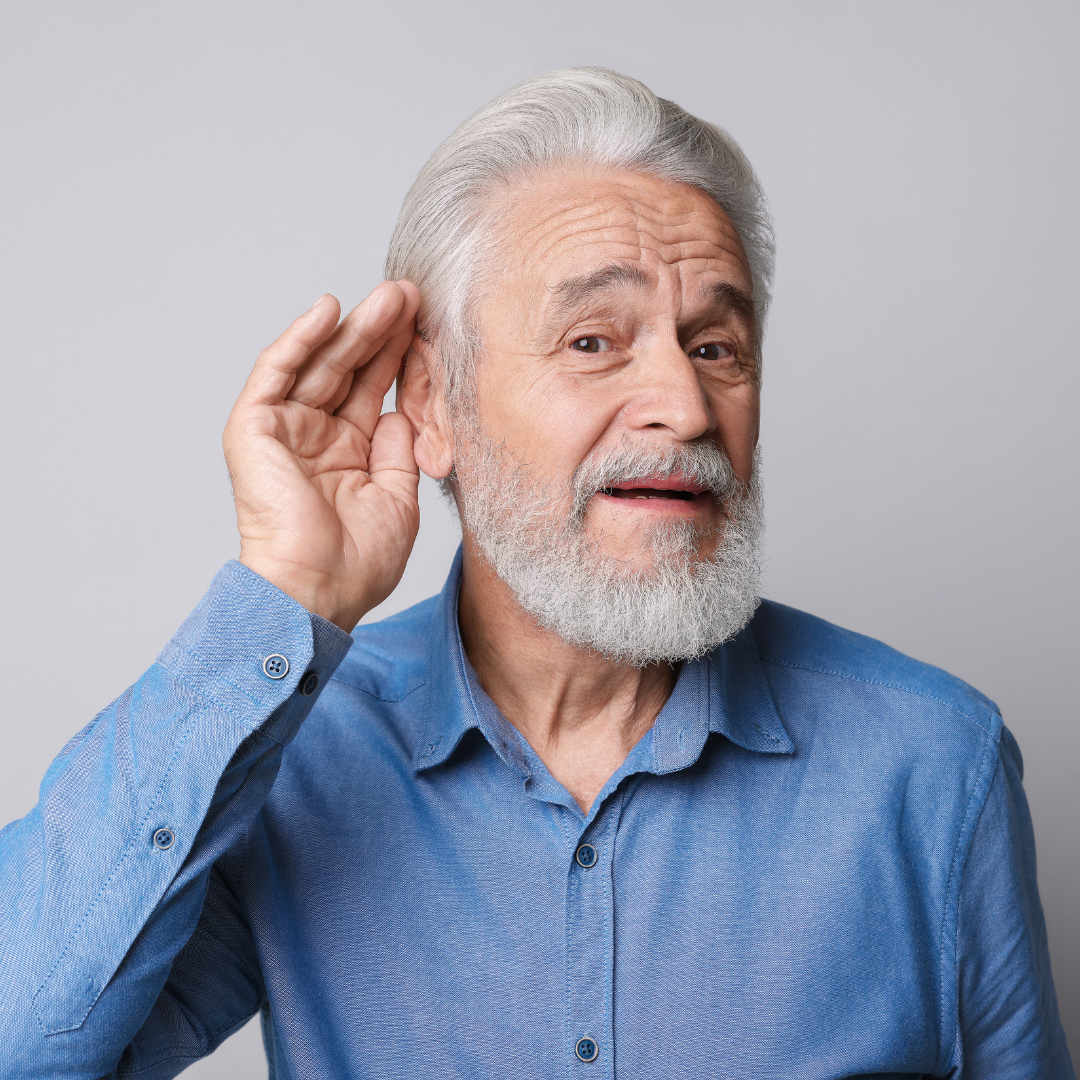
Experiencing a rapid decline in hearing in a single ear is a distressing event that creates understandable uncertainty. Our audiology clinic offers prompt diagnostic hearing testing and coordinates emergency medical evaluations whenever sudden hearing changes develop. Rapid-onset sudden hearing loss mandates swift clinical attention from an audiologist or physician to explore prompt treatment or auditory rehabilitation.
Is Sudden Unilateral Hearing Loss an Audiological Emergency?
Absolutely. Any acute unilateral sudden hearing loss warrants emergency medical management, notably when the deficit evolves within hours to days. Sudden sensorineural hearing loss, colloquially known as sudden deafness, compromises the sensory hair cells of the inner ear or the auditory nerve. It generally arises in the absence of pain, causing individuals to mistakenly assume their ear is simply plugged or congested.
Possible signs include:
- A sudden degradation of hearing volume or clarity affecting a single ear
- Struggling to hear or follow telephone speech on the compromised side
- A noticeable pop or sudden sensation of aural pressure just before hearing drops
- Sudden-onset tinnitus characterized by ringing, buzzing, or roaring within the impaired ear
- The sudden appearance of true vertigo, gait imbalance, or persistent dizziness
Do not adopt a wait-and-see strategy hoping the auditory deficit corrects itself. Reach out immediately to our audiology office, an urgent care facility, or an otolaryngologist for same-day evaluation.
Timing and Prognosis: Why Immediate Care for Sudden Hearing Loss Is Vital
Immediate audiological evaluation is vital because clinical therapies for sudden sensorineural hearing loss deliver the greatest recovery potential when deployed without delay. Our immediate task involves verifying whether the impairment is conductive due to wax or middle-ear effusion, or sensorineural originating within the sensory organ or auditory nerve. These conditions can feel similar but require different care.
Direct otoscopic visualization and a comprehensive diagnostic hearing test precisely establish the underlying type, audiometric configuration, and severity of the loss.
Contact emergency medical services immediately if sudden auditory decline presents alongside:
- Sudden facial droop, hemi-facial paresis, or sensory numbness
- Impaired speech articulation, profound cognitive confusion, or an intense new headache
- Double vision, fainting, or difficulty walking
- Sharp chest discomfort or related symptoms of acute cardiovascular distress
These red-flag manifestations often signify a life-threatening neurological or cerebrovascular crisis requiring emergency hospital care rather than an outpatient visit.
Potential Etiologies of Sudden Sensorineural Hearing Loss
In most clinical diagnoses of sudden sensorineural hearing loss, the precipitating cause remains completely idiopathic. When clinical workups identify a source, it usually relates to vascular ischemia, cellular inflammation, acoustic trauma, immune reactions, or acoustic nerve pathology.
Documented clinical etiologies include:
- Viral cochleitis or secondary bacterial infections
- Blunt head trauma, concussive injury, or acute acoustic trauma
- Systemic autoimmune pathologies targeting the auditory labyrinth
- Pharmacological ototoxicity resulting from specific clinical medications
- Acute circulatory compromise or cochlear microvascular infarction
- Inner-ear disorders such as Ménière’s disease
- Central nervous system conditions, such as progressive multiple sclerosis
- A growth on the hearing and balance nerve
Given that subjective symptoms cannot distinguish between these conditions, rapid clinical evaluation and audiologic testing are vital.
Clinical Treatment Protocols for Sudden Sensorineural Hearing Loss
High-dose corticosteroids serve as the primary first-line medical therapy when sudden sensorineural hearing loss presents without an identifiable cause. The treatment can be administered systemically via oral tablets or delivered locally through the tympanic membrane to reach inner ear structures directly. Treatment decisions are formulated in collaboration with our team, carefully weighing post-onset timing, loss severity, medical contraindications, current medications, and pharmacological risks.
Corticosteroids are generally deployed within the initial two-week therapeutic window, and beginning as early as safely permitted is essential. Serial intratympanic steroid injections can also be utilized as a secondary salvage therapy if initial oral treatment achieves incomplete recovery. For specific candidates, a physician may recommend hyperbaric oxygen therapy in combination with aggressive steroid therapy.
Can Sudden Unilateral Hearing Loss Resolve Spontaneously?
Patients with sudden sensorineural hearing loss can sometimes experience spontaneous recovery without clinical intervention. About half of affected people regain some or all of their hearing spontaneously, often within the first one to two weeks. However, modern medicine possesses no validated mechanism to determine early on which individuals will recover, what volume of sound will return, or if gains will endure.
The potential for spontaneous resolution should never serve as a reason to postpone diagnostic evaluation and care. Treatment becomes less likely to reverse permanent loss when it starts weeks after the change, so waiting may close an important treatment window. Recovery may be complete, partial, or minimal.
What If Hearing Loss in One Ear Doesn’t Respond to Treatment?
If auditory recovery is incomplete following treatment, clinical planning depends on remaining hearing levels, single-ear speech understanding, and comprehensive diagnostic imaging. We may recommend magnetic resonance imaging (MRI) or an auditory brainstem response test to examine the hearing nerve and nearby structures.
Extended rehabilitative solutions may incorporate:
- A traditional digital hearing aid provided the ear demonstrates functional, aidable residual hearing
- Implementing a CROS system that wirelessly beams sound from the unaidable ear to the better ear
- An implantable bone-conduction hearing processor for patients satisfying audiological criteria
- A cochlear implant evaluation for patients presenting with profound single-sided deafness
- Assistive listening technology for work, school, or conversations
Individualized audiologic rehabilitation actively addresses listening fatigue, compromised directional localization, and conversational strain. The most suitable option depends on the hearing test results, daily needs, health history, and personal preferences.
Schedule an Urgent Hearing Evaluation
If you have experienced an acute auditory shift today or in recent days, pursue urgent same-day medical evaluation instead of waiting for routine appointments. Our clinical team will administer diagnostic hearing tests, analyze interaural differences, evaluate symptom onset chronology, and coordinate with an otolaryngologist or medical team immediately.
Contact us to request a prompt hearing appointment.