
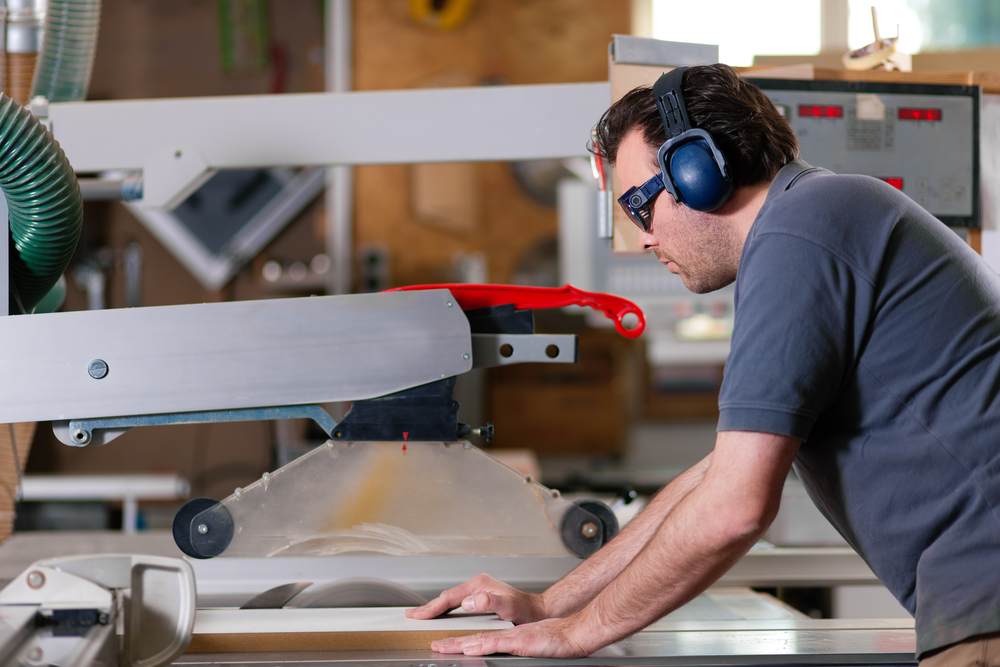
Exposure to noise for sustained periods poses a serious risk to your auditory health, particularly in environments where the sound volume goes beyond safety thresholds. Protecting your ears is crucial—not only for preventing hearing loss but also for keeping focus in noisy environments. What is the best way to find the level of hearing protection that is right for you?
Understanding noise levels and their results
Noise damage depends not only on the volume of the sound but also on how much time you are exposed to it. Decibels are the fundamental unit for measuring sound levels and quantifying sound intensity. Once noise gets to a level of 85 dB or above, it poses a danger to your hearing, mainly if the exposure is extended.
For context, 85 dB is equivalent to the noise level of city traffic experienced from inside a car. An eight-hour period of continuous exposure can start to damage your hearing, even if the sound level doesn’t seem too loud. The safe duration for exposure shrinks proportionally as the noise level increases:
- 90 dB (Lawnmower): Up to 4 hours of exposure can be harmful.
- 100 dB (Power tools): Limit exposure to 1 hour or less.
- At 110 dB (Leaf blower), damage can result in as little as 15 minutes of exposure.
- Exposure to 120 dB (a Rock concert) will damage your hearing instantly.
- A sound level of 140 dB (Jet engine) can cause instant pain and damage.
Determining dangerous levels of noise
If you’re often exposed to noise levels of 85 dB or more, wearing hearing protection is essential. This is primarily true in professional settings like construction sites, manufacturing plants, or any location where machinery, devices, or gear produce high noise.
Hearing protection is also helpful outside of the job; pursuits like attending music shows, operating leaf blowers, or participating in shooting sports can expose you to unsafe sound levels.
Selecting hearing protection: Noise Reduction Ratings (NRR)
Hearing protection efficacy is quantified using the Noise Reduction Rating (NRR) scale. Quantified in dB, this figure indicates the level of sound reduction the device offers. A higher reduction in sound is guaranteed by higher NRR ratings. An instance is a pair of earplugs with a 30 dB NRR, which could lower an 85 dB sound to 55 dB, thereby maintaining you securely within the bounds of safe exposure.
When deciding on your protection, you should evaluate the actual noise intensity you are exposed to and ensure the device provides the required blockage to keep the volume below 85 dB.
Comfort is important: the essential to uninterrupted protection
The NRR is undoubtedly significant, but comfort is an equally significant component in achieving continuous, sustained use. If hearing protection feels uncomfortable or awkward, you may be likely to remove it—leaving your ears vulnerable to harmful noise.
Choosing comfortable hearing protection leads to continuous wear, thus reducing the threat that you will be exposed to noise periodically. Imagine if, for example, your earmuffs are too cumbersome or uncomfortable, you could remove them from time to time, leaving your ears exposed to harmful noise.
Exploring the multiple forms of ear protection
A selection of hearing protection options are available, all with their own set of pros and disadvantages:
- Inside the ear canal, Foam Earplugs provide superb noise reduction. They are disposable and light, yet some individuals may find them uncomfortable.
- Being reusable and resting just outside the ear canal, Pre-Molded Earplugs are a more sustainable choice and are also easier to insert and remove than foam earplugs.
- Earmuffs: Earmuffs cover the entire ear and are ideal for environments with fluctuating noise levels, as they’re easy to put on and take off. However, they may feel heavy or warm during extended use.
Choosing the right type is dictated by your comfort and the needs of your surroundings. For illustration, workers in construction may choose the ease of use of earmuffs, while factory personnel might opt for earplugs for all-day wear.
Making sure you wear it without fail
The most effective hearing protection is the one you’ll wear without fail. Any break in use, even for a short period of minutes, can have long-term effects for your hearing health. It is absolutely necessary to find a solution that optimizes between comfort, protection, and convenience for this purpose.
Securing your auditory well-being
Noise is a constant factor in our lives, but with the appropriate hearing protection, you can protect your ears while continuing to enjoy the sounds surrounding you.
Call us now to talk about your chances of hearing loss from noise and the best ways to safeguard your hearing.