
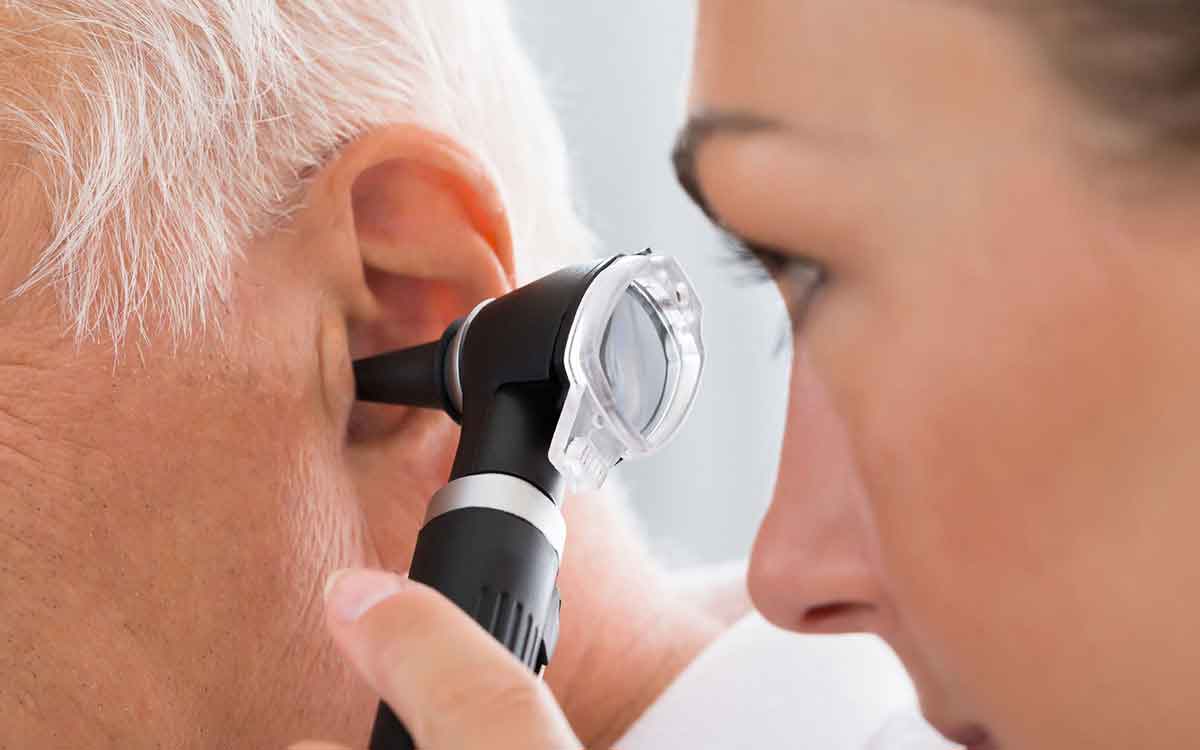
Because hearing loss typically advances slowly, early indicators frequently remain undetected by the individual. It is common for people to adjust to hearing shifts by elevating device volume and avoiding social situations with significant background noise.
Yet, the early recognition of hearing loss signs is key for maintaining quality of life.
Common Symptoms of Early Hearing Loss
If you experience any of the listed clinical signs, it is recommended to have your hearing checked.
- Impaired speech discrimination during social interactions within high-noise areas.
- Frequently asking people to repeat themselves.
- The perception of indistinct vocal communication where words appear to merge.
- Turning up the volume on the television and mobile devices to levels that others find excessive.
- Trouble hearing higher-pitched sounds, including high-frequency vocalizations, birds, or doorbells.
- Auditory sensations such as ringing, buzzing, or humming, known as tinnitus.
- Cerebral exhaustion after social events caused by persistent listening effort.
- Withdrawing from social situations as dialogue has become stressful.
Initial auditory warnings could be present in one or both ears and can fluctuate at first. Because the brain adapts quickly, many people don’t realize how much they’re compensating until hearing loss advances further.
Statistical Overview of Global Auditory Health
According to the World Health Organization, over 700 million people will necessitate hearing rehabilitation by 2050. Other noteworthy statistics involve:
- By 2050, approximately 2.5 billion people are projected to have some degree of hearing loss.
- More than five percent of the global community (roughly 430 million people) requires clinical support to manage disabling hearing loss.
- More than 1 billion younger individuals are at risk of avoidable hearing loss due to hazardous acoustic habits.
- Among those over the age of sixty, more than one-quarter have clinically significant hearing loss.
The Critical Importance of Early Identification
If left untreated, hearing loss may affect various aspects of your health outside of auditory function.
Clinical research connects hearing loss with increased risks of social isolation, depression, cognitive decline, and balance issues.
Early intervention offers superior results and diverse therapeutic options.
A clinical screening clarifies if hearing shifts are caused by noise damage, earwax impaction, or different medical factors.
In some cases, hearing changes are temporary and reversible.
In addition, utilizing protective measures or digital hearing aids at the onset may delay the advancement of hearing loss.
Recognizing the Need for Audiology Services
It is advisable to seek an evaluation from an audiologist if:
- Auditory indicators persist for more than a brief period.
- Difficulty hearing begins to impact work or personal routines.
- Instances of acute hearing loss, vertigo, or chronic tinnitus warrant prompt clinical attention.
Hearing tests are painless and safe, plus they offer valuable insight into your auditory wellness.
We invite you to contact our facility if you feel a hearing assessment is necessary.
Frequently Asked Questions: Recognizing Auditory Decline
Question: Does hearing loss only occur with aging?
A: No. While age-related hearing loss is common, hearing changes can also result from noise exposure, medications, infections, genetics, or underlying medical conditions.
Question: Is it possible to restore lost hearing?
Answer: Specific causes, including earwax blockage, may be susceptible to reversal through treatment. While other forms are irreversible, they can usually be managed with professional treatment or hearing technology.
Question: How frequently should an individual undergo a hearing test?
A: Adults should have a baseline hearing test by age 50, or earlier if symptoms or risk factors are present.