
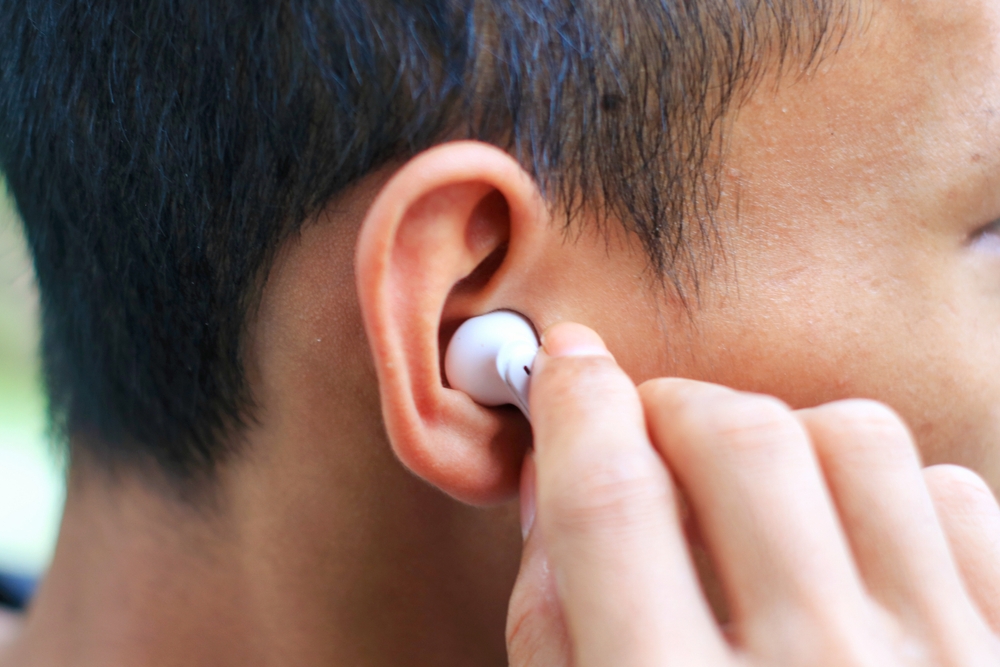
We seldom encounter a teenager or young adult who isn’t currently using a personal audio device. While traditional headphones are more substantial in size, adolescents frequently utilize them to create a private acoustic environment. We all enjoy listening to music, no matter our age, but younger people rely on music to pass the time. So, can headphones cause hearing loss since they are so close to our ears? It’s not the device itself, but how we use it.
When Healthy Listening Becomes Hazardous
Listening to music can be relaxing, soothe our souls, or wind us up. This subjective experience is dictated by the specific characteristics of the chosen track. Personal audio tech provides a convenient way to consume media without infringing on the silence of those nearby. That’s a positive thing, and most people will tell you that they are grateful and prefer that on a train or bus.
The real questions are: how loud is too loud, and how long is too long? In reality, excessive sound pressure is universally hazardous to the delicate structures of the cochlea. Sustained exposure to extreme volumes can result in irreversible trauma to the auditory nerve. Since hearing shifts occur incrementally, the window for prevention has often closed by the time a patient seeks help.
Identifying the Critical Risks of Personal Audio
Volume is the key danger for noise-induced hearing loss. However, the duration of the exposure matters as much as the volume.
- The National Institutes of Health advises that sounds under 70 decibels are generally safe for the human ear.
- There is a direct correlation between increased sound pressure and the speed of hearing degradation.
- Audiologists recommend the 60/60 rule: stay below 60% of max volume and limit sessions to one hour.
- Ensuring long-term hearing health requires a proactive reduction in volume and strict limits on listening time.
Red Flags: When to Suspect Hearing Impairment
If you commonly hear muffled sounds, find it difficult to understand conversations in noisy places, have ringing in your ears (tinnitus), and frequently ask people to repeat what they said or to speak louder, it’s time to have a hearing exam with a professional.
If you suspect a decline in your hearing, contact our office to begin a professional diagnostic process.