
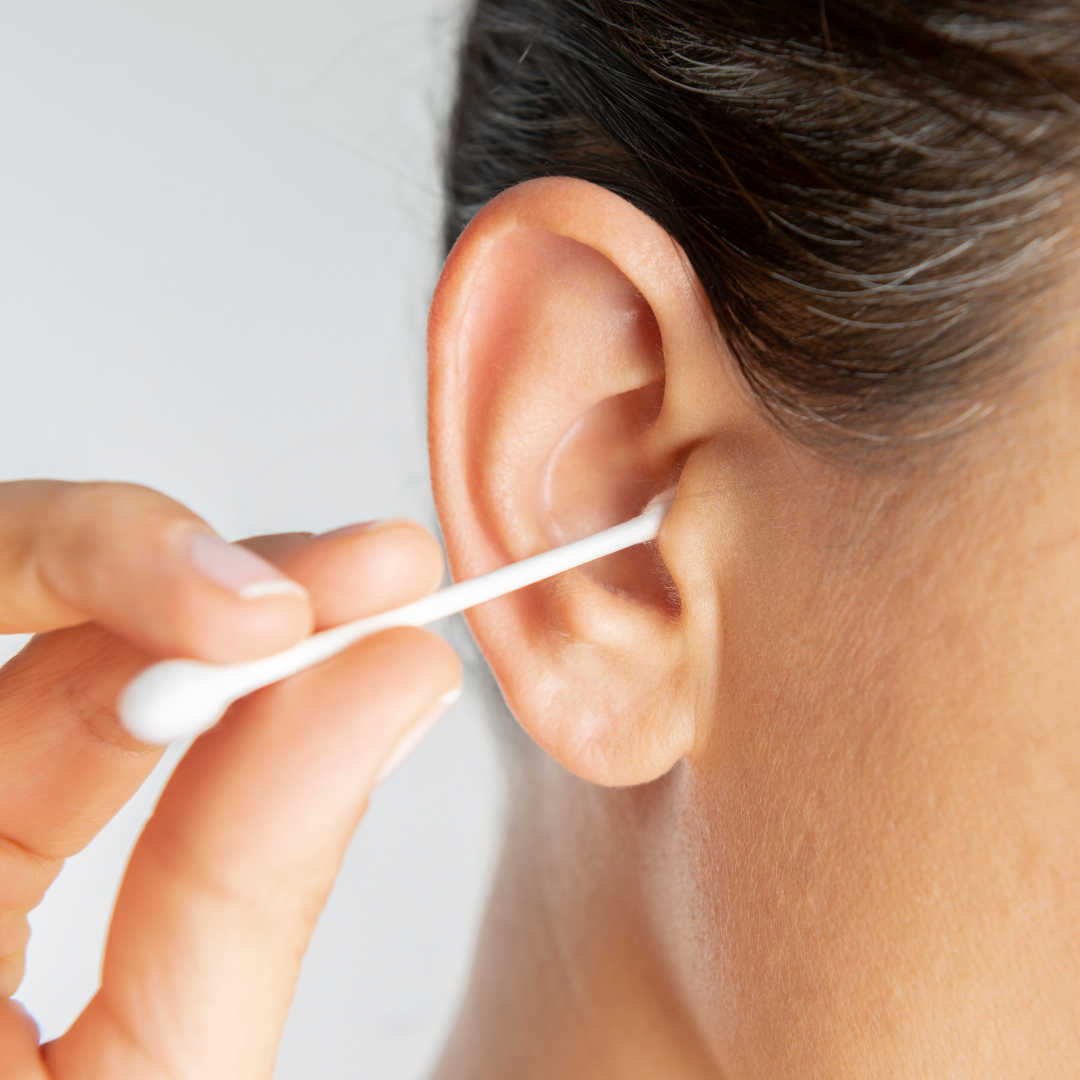
Even though cotton swabs seem practical for routine hygiene, probing the inner canal creates deeper impactions and threatens long-term ear health. We perform thorough examinations to verify if earwax removal is necessary and select appropriate procedures for your ear condition. Routine manual hygiene is often unnecessary for ears; still, when excessive wax accumulates, we deliver safe and gentle removal solutions.
Why Cotton Swabs Create Complications Inside the Ear
In audiology, earwax (cerumen) is recognized as a vital protective substance rather than dirt. It functions to intercept foreign debris, suppress bacterial activity, lubricate internal tissues, and guard vulnerable ear canal skin. Normal jaw articulation and progressive skin turnover transport old cerumen toward the external ear opening, where it naturally detaches.
A Q-Tip placed inside the canal can disrupt this self-cleaning process. While you may see a tiny amount of wax on the swab, the device generally shoves the rest deeper toward the eardrum. Continuous swab usage packs loose secretions into a hardened mass, generating an occluded sensation that tempts patients into additional probing.
Cotton swabs may be used around the folds of the outer ear, but they should not enter the canal.
Clinical Complications Associated with Q-Tip Insertion
The epithelial surface inside the ear canal remains exceptionally fragile and easily abraded. Minor scratches can trigger localized pain, bleeding, and bacterial infiltration, substantially elevating the risk of otitis externa. A cotton tip may also detach and remain inside the canal.
Documented injuries associated with cotton swabs include:
- Cerumen driven into deep obstructive impactions
- Epithelial lacerations, inflammation, erythema, or bleeding
- Localized microbial infection of the external canal
- Foreign body retention including detached cotton fibers
- Tympanic membrane perforation or tear
- Dislocation or injury of the delicate hearing ossicles
- Sudden alterations in auditory acuity or permanent hearing changes
- Tinnitus, dizziness, or severe ear pain
Though critical trauma is uncommon, an unexpected collision, a sudden slip, or overzealous penetration can cause extensive ear injury.
Clinical Guidelines on Earwax Removal Frequency
Most individuals do not need to perform earwax maintenance on a calendar schedule. Healthy ears continually move wax outward, and routine bathing usually cleans the visible outer ear. Frequent overcleaning creates dry, irritated canal surfaces while amplifying the risk of severe impaction or microbial invasion.
Clinical clearing is warranted if cerumen occludes the auditory pathway, prevents diagnostic evaluation of the eardrum, affects a hearing aid, or sparks discomfort.
How to Address Earwax Safely at Home
If your earwax produces no noticeable complaints, leaving it alone is typically the safest protocol. Restrict hygiene to wiping the outer ear folds with a damp cloth while permitting the canal to self-evacuate.
When wax needs softening, we may recommend an over-the-counter cerumen-removal product or drops containing ingredients such as mineral oil, glycerin, saline, or carbamide peroxide. Dispense only the directed amount and restrict use strictly to the timeframe specified on the product packaging. Stop if the drops cause pain, marked dizziness, rash, or worsening symptoms.
At-home ear irrigation is not universally safe and requires clinical clearance and technique demonstration from an audiology professional beforehand. Never utilize motorized oral irrigators or dental water devices in the ear canal. Avoid ear candles, metal scoops, camera-guided tools, hairpins, and home suction devices. These products may burn, cut, puncture, or push wax farther inward.
When Should I See a Doctor for Earwax Removal?
Make an appointment when the ear remains obstructed after using softening drops, wax is tightly packed, or home methods prove unsuccessful. Professional intervention is highly advisable for individuals with mobility challenges, narrow ear canals, hearing aid devices, or surgical backgrounds that make home care dangerous.
Request an immediate diagnostic examination for:
- Unresolved ear discomfort, persistent canal itching, or touch sensitivity
- Otorrhea containing blood, active pus, serous fluid, or an unpleasant odor
- Pyrexia or localized tissue swelling surrounding the ear canal
- Sudden-onset tinnitus or vestibular dizziness
- Hearing loss that starts abruptly or fails to resolve following wax removal
- Any concern of a ruptured eardrum or detached cotton swab tip
- Persistent impactions interfering with hearing aid operation
Sudden drops in hearing in a single ear require emergency medical attention rather than casual attribution to earwax. Prompt testing can distinguish a blockage from a time-sensitive inner-ear problem.
In-Office Procedures for Clearing Earwax Blockages
Our clinical team begins by evaluating the ear canal using an otoscope or binocular microscope to confirm cerumen impaction and inspect for infection, trauma, or tympanic membrane perforations. The safest removal method depends on wax consistency, canal anatomy, medical history, previous surgery, and the patient’s ability to tolerate the procedure.
Available professional techniques include:
- Wax-softening drops before or during the appointment
- Controlled ear flushing using warm, body-temperature water on intact eardrums
- Controlled vacuum micro-suction under continuous visual monitoring
- Mechanical extraction using sterile ear loops, specialized curettes, or micro-forceps
Visual guidance empowers the clinician to protect delicate canal skin and pause immediately if sensitivity is detected. Patients presenting with dry or tightly impacted wax may require a combination of these clinical approaches. After removal, the ear can be reexamined to confirm that the canal and eardrum are healthy. When symptoms like fullness, tinnitus, vertigo, or hearing loss continue, supplementary audiological assessments can uncover alternate conditions.
Request an Appointment for Clinical Earwax Removal
Should you experience aural fullness or sudden hearing shifts, arrange a clinical evaluation with our office instead of relying on cotton swabs. Your clinical visit will cover a comprehensive review of symptoms, otologic surgical history, hearing aid utilization, home care efforts, and metabolic contributors to wax buildup. Contact us now to schedule an appointment for comprehensive, expert earwax removal.