
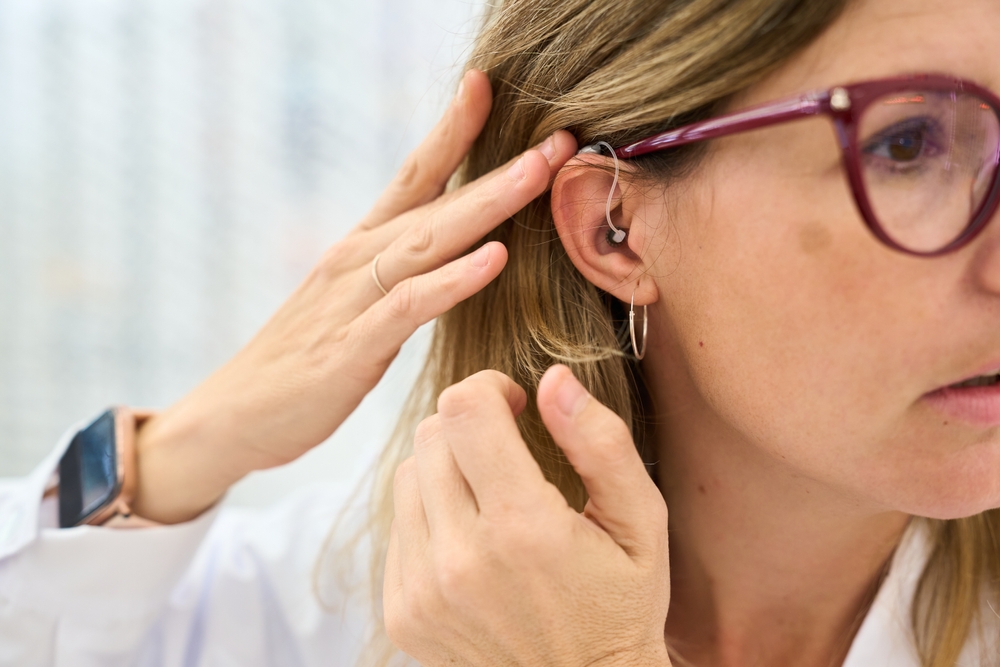
A significant number of patients postpone treating their hearing loss because they harbor concerns regarding device aesthetics and physical comfort. Such reluctance is perfectly natural when you consider past technology! Regrettably, some people even experienced social alienation because acquaintances falsely assumed that wearing a visible aid signaled a complete inability to comprehend spoken dialogue.
Consequently, this outdated, negative stereotype persists, preventing numerous individuals from seeking professional care. However, contemporary medical engineering has ensured that current hearing solutions look and function in a completely unexpected manner. Advances in design and technology have made them smaller, more comfortable, and far more discreet.
If cosmetic anxiety has caused you to delay treating your hearing loss, it is highly recommended that you evaluate the sophisticated options now available.
The Outdated Devices of Your Imagination Have Been Replaced
If you close your eyes to conceptualize a hearing system, your mind likely crafts a picture of a prominent, cumbersome unit draped behind the ear. If that description matches your mental model, your perceptions are anchored in the primitive analog technology of the late twentieth century.
Since that era, the manufacturing landscape for hearing solutions has completely transformed. Exponential leaps in digital circuit shrinking, industrial design, and audio computing have totally redefined contemporary hardware. The resulting devices are beautifully downsized, highly aerodynamic, and built to match lifestyle needs by remaining completely hidden.
Numerous modern instruments are inserted completely within the ear canal structure, rendering them undetectable throughout standard daily dialogue. Alternative styles occupy a tiny footprint behind the pinna, utilizing ultra-light materials and customizable color palettes to match hair or skin tones perfectly.
Understanding Your Options: A Guide to Contemporary Device Form Factors
To understand how these sophisticated medical devices are physically configured, review this concise anatomical breakdown:
The Invisible-in-Canal (IIC) Form Factor
These are as discreet as it gets. Engineered to rest deep inside the ear canal, IIC systems are individually molded to match the precise contours of your ear. From a normal conversational distance, they’re essentially invisible. They’re a popular choice for people with mild to moderate hearing loss who prioritize subtlety.
Receiver-in-Canal (RIC) and Receiver-in-the-Ear (RITE) Designs
This architecture stands as the most frequently prescribed configuration in modern clinical practice. A tiny component sits behind the ear, connected by a nearly invisible wire to a small speaker in the ear canal. To onlookers, this streamlined design closely mirrors fashionable consumer electronics or sports earbuds. Unless an individual is specifically searching for the device, it remains completely unnoticed during normal interactions.
Traditional Behind-the-Ear (BTE) Reimagined
These sit fully behind the ear and are slightly larger, but they’re still far more streamlined than older versions. Frequently utilized to remediate severe-to-profound auditory loss, they maximize gain and processing capability while maintaining a highly professional, low-profile aesthetic.
The key takeaway: Today’s discreet hearing aids are designed to fit your life, not announce themselves.
The Functional Revolution: Modern Instruments Are Tiny Supercomputers
The changes in modern hearing aids aren’t just cosmetic. Today, they function more like smart devices than traditional medical equipment. Many variants integrate high-speed Bluetooth protocols, allowing you to route phone calls, podcasts, or multimedia audio straight to your ears without external headphones.
Equipped with dedicated smartphone applications, they allow users to manipulate volume matrices or toggle environmental programs without making manual physical adjustments. If you enter a chaotic, crowded room, you can optimize your digital noise reduction settings to isolate speech within seconds. Convenient overnight charging systems have permanently replaced the tiny disposable batteries that patients traditionally struggled to replace. Just place them on a charger overnight, like your phone.
Overcoming the Psychological Barriers to Better Hearing
Despite understanding these technological quantum leaps, psychological resistance remains highly common. Acknowledging a sensory deficit and investigating rehabilitation options often forces a difficult confrontation with our own vulnerability and bodily changes. This realization can occasionally induce feelings of helplessness, leaving patients feeling detached from their own physical autonomy.
However, an alternative, empowering framework exists: utilizing hearing technology is never an indicator of structural failure. They are merely an intelligent adaptation to a universal milestone of aging that impacts us all eventually. Investing in your hearing shows that you are actively deploying advanced resources to support your systemic well-being and social connection.
Consider the profound joy of wearing a tiny, unnoticeable device that lets you confidently command group discussions, master noisy environments, and immerse yourself in what matters most. That is a magnificent example of reclaiming control over your life!
Experience Contemporary Hearing Technology Firsthand
The most effective method to permanently banish an obsolete stereotype is to personally examine current clinical options. We invite you to come in, ask questions, and explore your options with no pressure and no commitment necessary. Think of your visit as an educational open-house to experience the lightweight engineering of modern hearing instruments firsthand.
You will likely be utterly delighted to discover how microscopic, physically seamless, and high-performing today’s options truly are! Please contact our patient care coordinators or utilize our digital portal to secure your consultation this week.