
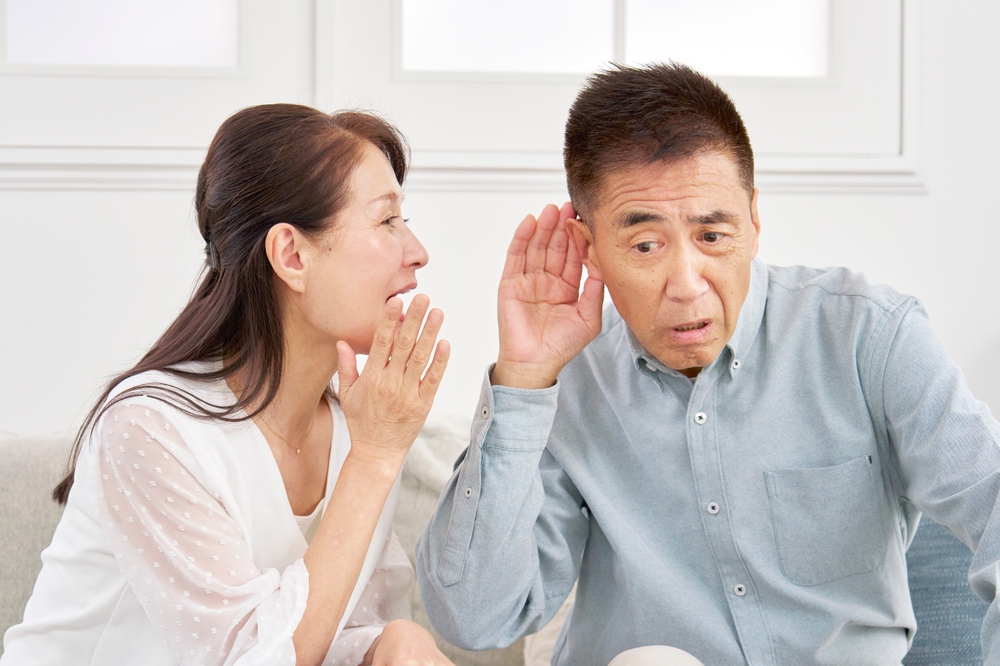
Hearing loss is more common than most of us might realize, but misinformation continues to prevent many people from seeking proper care. When managing hearing loss, timely intervention is a fundamental requirement for long-term health. Accepting hearing myths as fact typically results in late-stage intervention and diminished communicative function.
Identifying the facts behind auditory health allows you to navigate clinical options with technical certainty. Let us explore seven widespread myths about hearing and the medical facts that provide clarity.
The Fallacy of Senior-Only Hearing Loss
While age-related hearing changes are common, hearing loss can occur at any age. Auditory challenges in children and young adults often stem from noise pollution, heredity, or pharmaceutical side effects.
Assuming hearing loss is only an “aging issue” can prevent people from recognizing early symptoms and seeking appropriate care.
Myth Two: Auditory Awareness Equals Perfect Hearing
Hearing loss doesn’t have to mean complete deafness. Often, the issue is not a lack of sound but a lack of speech intelligibility in social settings. A broad range of auditory dysfunctions exists between asymptomatic hearing and complete deafness.
Signs of decline often involve poor speech-in-noise recognition and significant mental strain after talking with others. Failing to address these subtle changes can lead to long-term communicative difficulties.
Myth Three: The Misconception of Minor Impact
The ramifications of unmanaged hearing loss extend far beyond simple conversational struggles. Evidence-based research correlates auditory neglect with social anxiety, mental fatigue, and depressive symptoms.
Managing your hearing health is a critical step in preserving your holistic quality of life.
Do Hearing Aids Damage Your Natural Hearing?
Some people believe that wearing hearing aids will cause their hearing to deteriorate more quickly, but that is not true.
Hearing aids do not damage your ears. They provide customized amplification that fills the exact deficits revealed during your professional assessment. In many cases, using hearing aids can help the brain stay engaged in processing sound, supporting long-term auditory health.
Myth: All Hearing Aids are Bulky and Noticeable
Modern hearing technology has advanced significantly. Contemporary hearing aids deliver elite processing power within incredibly discreet housings. Sleek “Behind-the-Ear” and “In-the-Ear” designs ensure that modern hearing help is virtually undetectable.
In addition to their size, modern hearing aids often include beneficial features like background noise reduction, Bluetooth connectivity, and automatic sound adjustments.
Why Even Mild Hearing Impairment Requires Attention
Even mild hearing loss can impact communication and daily life. Prompt intervention mitigates listening fatigue by making sound processing effortless for the neurological system.
Early clinical action ensures that the brain’s auditory processing centers remain sharp and functional.
Myth Seven: The Generic vs. Personalized Care Fallacy
Store-bought devices provide “blanket” amplification rather than the targeted help your ears likely need. Professional diagnostics ensure your hearing solution is “tuned” to your specific environment and biology.
Personalized care makes a significant difference in both comfort and clarity.
Don’t Let Hearing Loss Myths Hold You Back
Feeling anxious about hearing changes is normal, but avoidance only exacerbates the underlying problem. Relying on misinformation ensures that your auditory challenges will become more difficult to manage. Fortunately, a modern hearing test is a non-invasive, efficient process that yields vital health data.
Should you perceive even minor shifts in your auditory acuity, a baseline exam is your most critical move. Seeking help sooner rather than later preserves both your social life and your neurological sharpness.
For more information or to book your next hearing test, please contact our clinic today. Reach out to our care team now to begin your journey toward better hearing.