
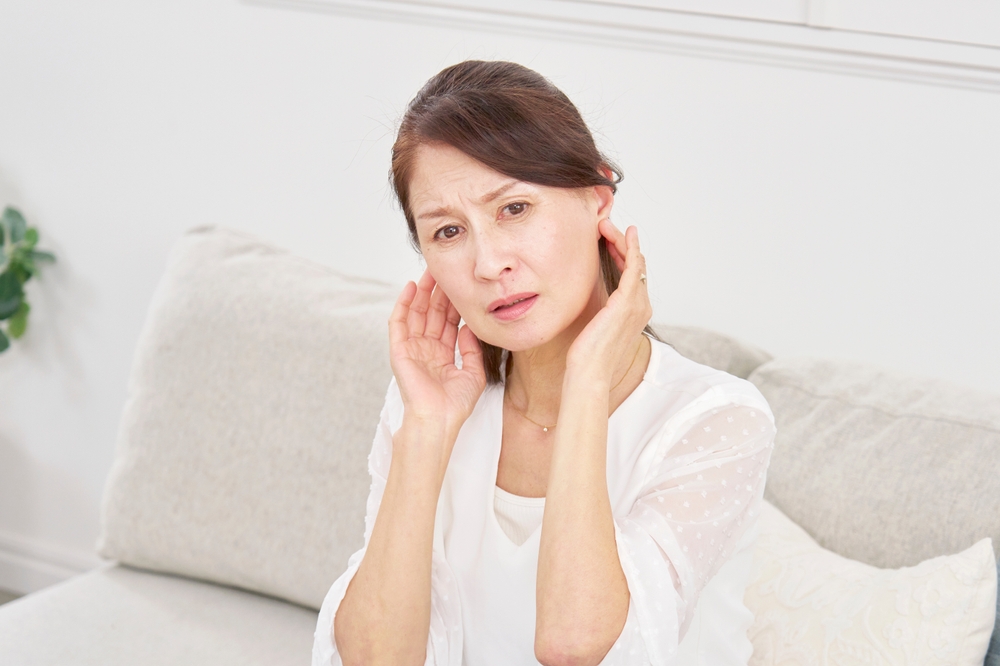
Realizing your hearing sharpness has faded overnight is a jarring and disorienting event. This type of hearing impairment is remarkably rapid, often manifesting without any physical discomfort or advanced signals. While some causes are temporary and easily treated, others demand immediate medical attention.
Identifying the typical catalysts for rapid hearing loss and acting decisively can profoundly impact your recovery path. Below, we review the characteristics of abrupt hearing impairment together with clinical guidance on when to call a specialist.
What Is Sudden Hearing Loss?
This condition involves a swift loss of hearing capacity occurring nearly immediately or over a three-day period. The condition frequently strikes a single ear, though bilateral loss is possible in rarer cases. Some people notice muffled sound, while others experience a ringing sensation known as tinnitus, fullness in the ear, or difficulty understanding speech.
Identifying Sudden Sensorineural Hearing Loss
It is vital to rule out SSHL during the preliminary evaluation phase.
The condition is caused by physiological issues affecting the cochlea, hearing nerve, or neural pathways. It often develops without a distinct trigger, but likely factors include:
- Decreased blood flow to the inner ear
- Increased inflammation within the auditory pathways
- Infection-based nerve disruption
- Disruptions in nerve pathways
Because the window for effective treatment is so narrow, SSHL is handled as an urgent crisis where early care dictates the outcome.
Viruses and Inner Ear Health
Various viruses have the potential to damage hearing long-term by causing inflammation in the auditory nerve.
Frequent viral triggers tied to sudden hearing impairment are:
- Routine upper-airway viral activity
- Systemic flu-related inflammation
- The herpes family strains
- Potential auditory complications linked to COVID-19
Hearing changes may appear during or shortly after an illness and may be accompanied by vertigo or pressure.
Head or Ear Trauma
Direct impact to the skull, rapid shifts in ambient pressure, or severe sound blasts can injure the ear’s internal mechanisms.
Trauma-related causes include:
- Severe head strikes and concussive events
- Rapid pressure changes such as barotrauma
- Contact with extremely loud sounds
- Disturbances in cochlear fluid balance
Even minor injuries can affect hearing, especially if symptoms appear shortly following.
Earwax Buildup or Blockage
While not a medical emergency like nerve damage, impacted wax is a frequent cause of abrupt auditory dullness.
Symptoms of blocked wax typically:
- Manifest with speed
- Create a clear sensation of aural congestion
- Be more pronounced on the left or right
- Subside once the canal is professionally cleared
Critically, a self-diagnosis at home cannot accurately distinguish between a simple blockage and a nerve-related crisis. This diagnostic ambiguity is why immediate expert care is so important.
Additional Factors in Rapid Auditory Decline
Other variables that can influence a sudden drop in hearing include:
- Ototoxic drug reactions
- Vascular irregularities in the auditory pathway
- Immune-mediated inner ear disease
- Rare growths on the hearing nerve
Undergoing a full audiological workup is the only way to accurately identify or dismiss these factors.
The Critical Importance of Immediate Intervention
The single most vital piece of advice for sudden deafness is to seek care without any hesitation.
Prompt evaluation can:
- Uncover treatable factors behind the hearing decline
- Increase the likelihood that treatment will restore hearing
- Protect against lasting damage to the hearing nerve
- Limit long-term communication challenges
Comprehensive audiology diagnostics provide the essential data needed to manage the condition effectively.
Identifying Red Flags for Urgent Hearing Care
Immediate clinical attention is needed if any of the following symptoms manifest:
- Abrupt hearing loss in one or both ears
- Hearing impairment coinciding with physical instability
- Abrupt auditory buzzing or a feeling of blockage
- Diminished hearing immediately following an injury or sickness
Even if symptoms subside, you still require a formal assessment to identify the root cause.
Hearing Testing for Quick Answers
Modern testing quickly identifies the specific category of the loss, such as:
- A conductive issue involving the middle ear or ear canal
- Nerve-based or related to inner ear dysfunction
- Likely to be short-term or a chronic impairment
The sooner testing occurs, the more likely you are to achieve a positive clinical outcome.
Why Immediate Action Is the Best Response
Abrupt hearing loss is bound to feel alarming, but the sooner you seek care, the more options you may have to address it.
If you notice an unexpected change in your hearing, getting a professional evaluation can protect your auditory wellness and your peace of mind. We are standing by to help manage your sudden hearing changes: Reach out to our team today for priority care.