
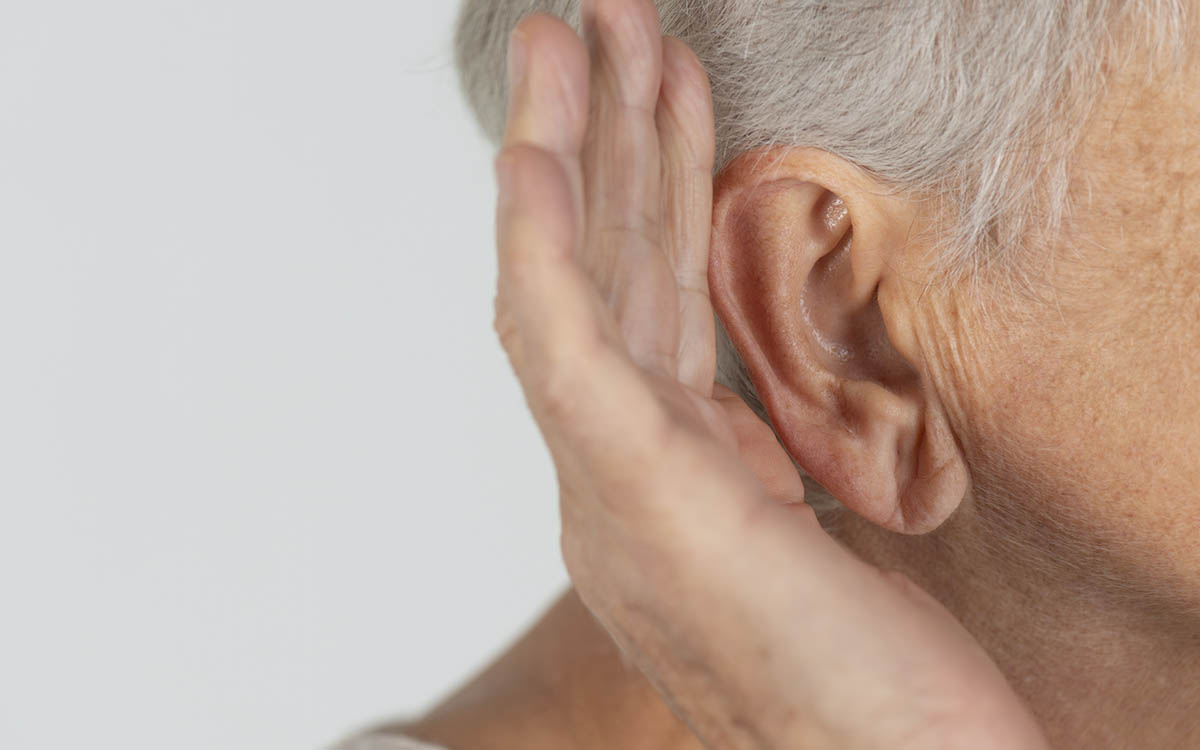
Commonly, clinicians link hearing loss to senescence, though for a significant portion of the population, auditory trauma initiates much earlier in life. Noise-induced hearing loss represents a common, preventable auditory pathology, remaining undetected until the damage is irreversible.
Comprehensive knowledge of how chronic noise exposure affects the ears allows for preventative measures before substantial hearing loss manifests.
Understanding the Clinical Nature of Acoustic-Related Hearing Loss?
The pathology of noise-induced hearing loss involves trauma to the sensitive anatomical structures within the inner ear. According to the Centers for Disease Control and Prevention, auditory impairment may begin with chronic exposure to noise levels over 85 decibels. Intense noise sources, specifically firearms or industrial tools, can compromise hearing integrity within a very brief timeframe.
Within the cochlea are specialized sensory structures referred to as hair cells. These receptors facilitate the conversion of acoustic vibrations into electrical signals decoded by the brain. Once damaged, hair cells do not regenerate, making this form of hearing loss a lifelong auditory deficit.
Analyzing the Incremental Progression of Sound-Related Trauma
It is clinically significant that noise-induced hearing loss often manifests through a slow, cumulative process. Early exposure may cause symptoms like:
- Temporary ringing or buzzing in the ears (Tinnitus)
- Post-exposure auditory dullness or perceived muffling of sound
- Reduced ability to distinguish vocal communication in loud surroundings
The cessation of these early symptoms often leads to the false perception that the auditory system has fully healed. In reality, repeated noise exposure continues to injure inner-ear structures, steadily eroding hearing precision.
The hearing loss Association of America estimates that 48 million individuals in the US suffer from hearing loss, many unaware of the underlying cause.
Identifying Everyday Acoustic Risks Impacting Ear Health
The prevalence of loud sounds in daily life often results in a dangerous desensitization to harmful noise levels. As a result, many individuals remain unaware of the clinical prevalence of damaging noise exposure.
Identified hazardous sources may include:
- Venues featuring high-decibel live music
- Headphones played at high volumes
- Gas-powered lawn tools, industrial machinery, and motorcycles
- Occupational noise exposure within the construction or manufacturing sectors
Due to the routine nature of these sounds, auditory injury may accrue in the absence of overt symptoms.
Prioritizing Prevention in Clinical Hearing Management
Unlike other health conditions, noise-induced hearing loss cannot be reversed. Despite its permanence, the condition is significantly preventable. Risk reduction can be achieved through fundamental protective habits, including:
- Utilizing hearing protection devices like earplugs in noisy settings
- Lowering headphone volume and following the “60/60 rule”
- Incorporating auditory rest periods to allow for physiological recovery
- Ensuring consistent Audiology check-ups for those in high-noise environments
Criteria for Expert Auditory Assessment
If you notice persistent ear ringing, difficulty following conversations, or changes in hearing clarity, you should seek evaluation from a hearing professional. Early assessment is critical for monitoring, education, and the development of protective strategies to help preserve your hearing.
Implementing protective measures today safeguards your auditory capacity for the years ahead. Exposure to noise is frequent, yet hearing loss can be successfully avoided through proper care. Contact us to coordinate a comprehensive evaluation and ensure your auditory system is functioning at its peak.