
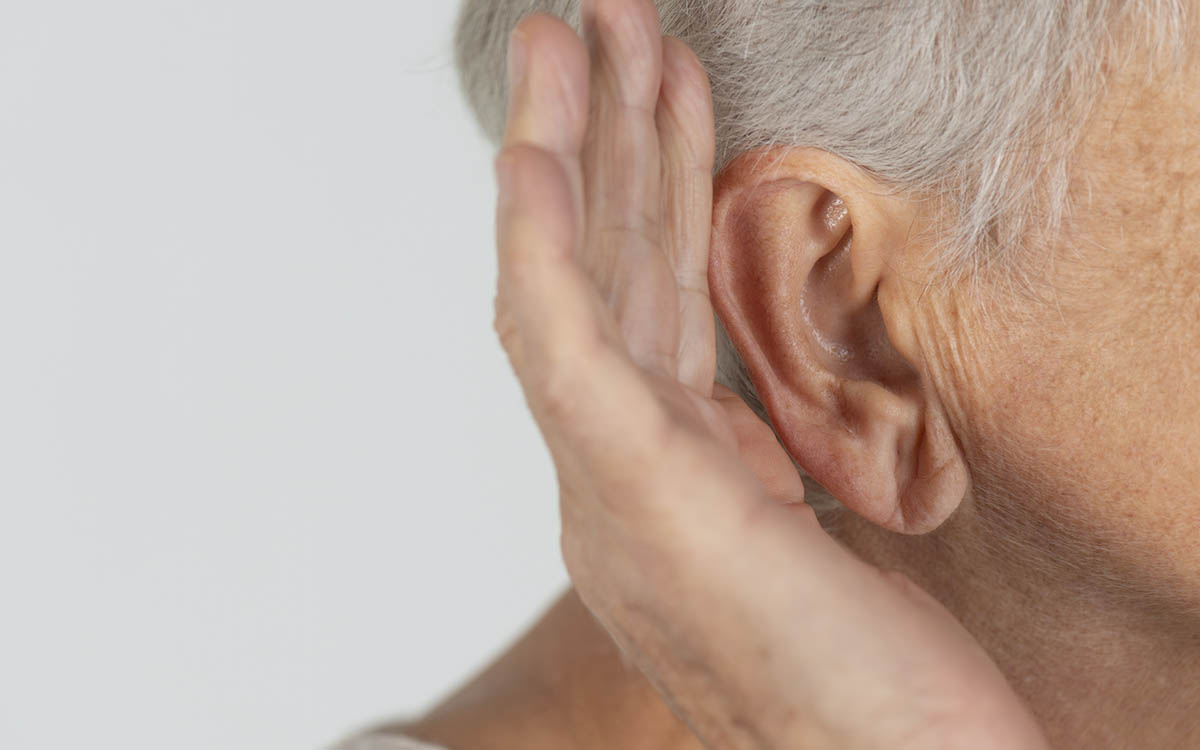
While many individuals correlate hearing loss to the aging process, though for a significant portion of the population, ear injury manifests significantly sooner. Noise-induced hearing loss is one of the most common and preventable forms of damage to our hearing, escaping notice until it becomes a permanent condition.
An objective understanding of noise-related auditory impact over time facilitates proactive protection before substantial hearing loss manifests.
Understanding the Clinical Nature of Noise-Induced Hearing Loss?
This form of hearing loss is precipitated by excessive acoustic energy damaging the fragile internal structures of the auditory system. Data from the CDC indicate that, acoustic levels surpassing 85 decibels can induce ear damage following repeated or lengthy exposure. Higher intensity sounds, including those generated by machinery, music venues, or firearms, may result in immediate damage.
The internal auditory system houses delicate sensory units termed hair cells. These receptors facilitate the conversion of acoustic vibrations into electrical signals decoded by the brain. The inability of hair cells to regenerate after trauma explains why noise-induced hearing loss results in a permanent auditory deficit.
The Cumulative Development of Acoustic Injury
A primary clinical concern regarding noise-induced hearing loss is its typically slow rate of progression. Early-stage symptoms resulting from noise exposure often include:
- Short-term episodes of Tinnitus or buzzing within the ears
- Post-exposure auditory dullness or perceived muffling of sound
- Challenges involving speech comprehension within high-noise settings
Initial symptoms may subside, frequently resulting in the incorrect assumption that hearing function has returned to baseline. In reality, repeated noise exposure continues to injure inner-ear structures, steadily eroding hearing precision.
The Hearing Loss Association of America reports that approximately 48 million Americans experience some degree of hearing loss, often without recognizing the contributing factors.
Recognizing Everyday Sound Hazards to Hearing
We live in a noisy world, and it’s easy to become desensitized to loud sounds. Consequently, the frequency of hazardous noise exposure is often underestimated.
Potential sources include:
- Concert settings and loud musical performances
- The use of headphones at unsafe volume settings
- Gas-powered lawn tools, industrial machinery, and motorcycles
- Professional exposure to high-volume noise in manufacturing and labor industries
The everyday occurrence of these sounds allows for progressive damage to develop without obvious warning.
The Critical Role of Auditory Prophylaxis
A distinguishing factor of noise-induced hearing loss is the lack of clinical reversal options. Nevertheless, it remains a highly avoidable pathology. The implementation of basic protective protocols can substantially mitigate risk, such as:
- Using earplugs or noise-reducing earmuffs in loud environments
- Lowering headphone volume and following the “60/60 rule”
- Incorporating auditory rest periods to allow for physiological recovery
- Arranging for routine Audiology assessments if noise exposure is frequent
Guidelines for Consulting Audiology Services
If you notice persistent ear ringing, difficulty following conversations, or changes in hearing clarity, you should seek evaluation from a hearing professional. Prompt clinical evaluation is vital for tracking auditory status and formulating effective hearing preservation plans.
Protecting your ears today helps ensure clearer hearing tomorrow. Environmental sound may be constant, but the development of hearing loss is not inevitable. Contact our team today to schedule a consultation and make sure you’re hearing your best.